Welcome to the O’Duill Group

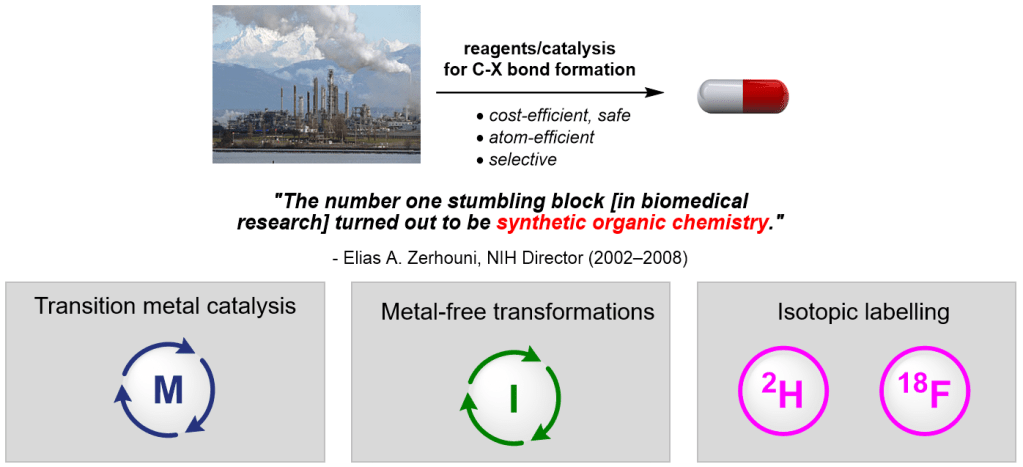
Our research is driven by the aim of transforming cheap building blocks (e.g. waste products from the chemical industry) into the complex molecules that drive our modern life. To do so, we design new reactions and reagents, with a focus on three distinct areas: (1) Transition metal catalysis is an efficient tool to create new pharmaceutical targets. (2) Hypervalent iodine reagents offer a sustainable, metal-free alternative with similar outcomes. And (3) the application of both of these strategies to isotopic labelling with deuterium and fluorine-18 allows us to access new medical imaging probes for disease diagnosis. Our latest publications in these areas can be found here.

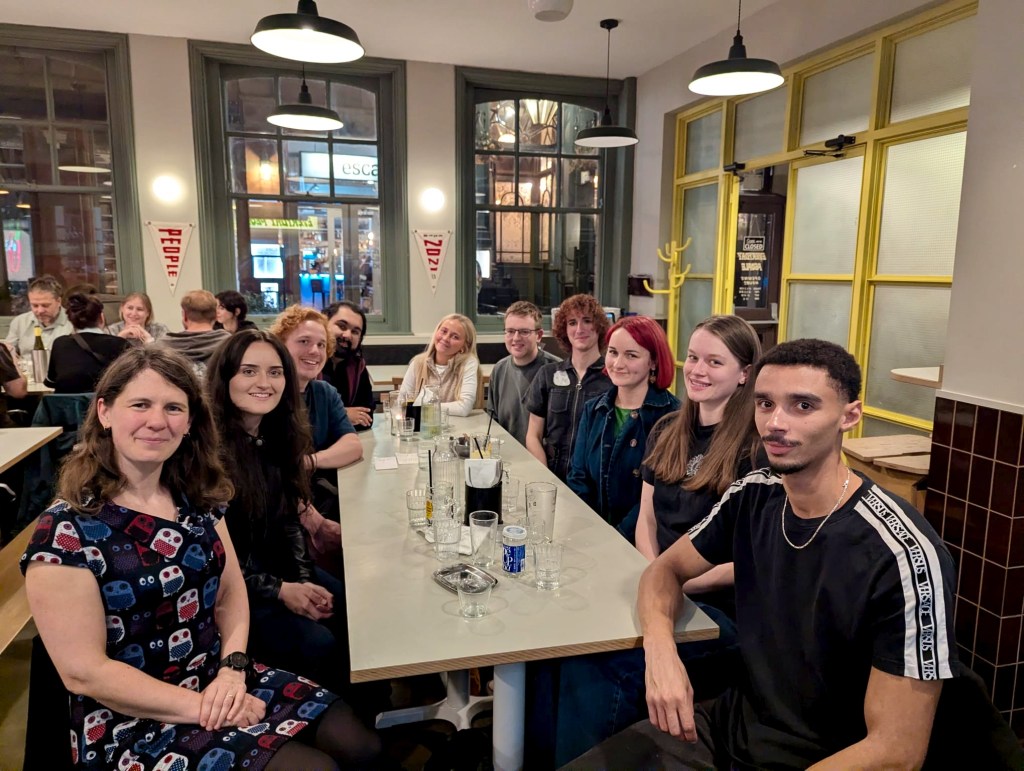
On these pages, you can also find out more about Miriam O’Duill, the research team and how to join us. Check the posts below for current news from the group. We are passionate about sharing our research and the excitement of science & chemistry more widely. To do this, we engage in outreach events, public engagement and science writing.

We are based in the GSK Carbon Neutral Laboratory for Sustainable Chemistry within the School of Chemistry, University of Nottingham and would be delighted to hear from you. To contact us, please email miriam.oduill(at)nottingham.ac.uk.
Group News

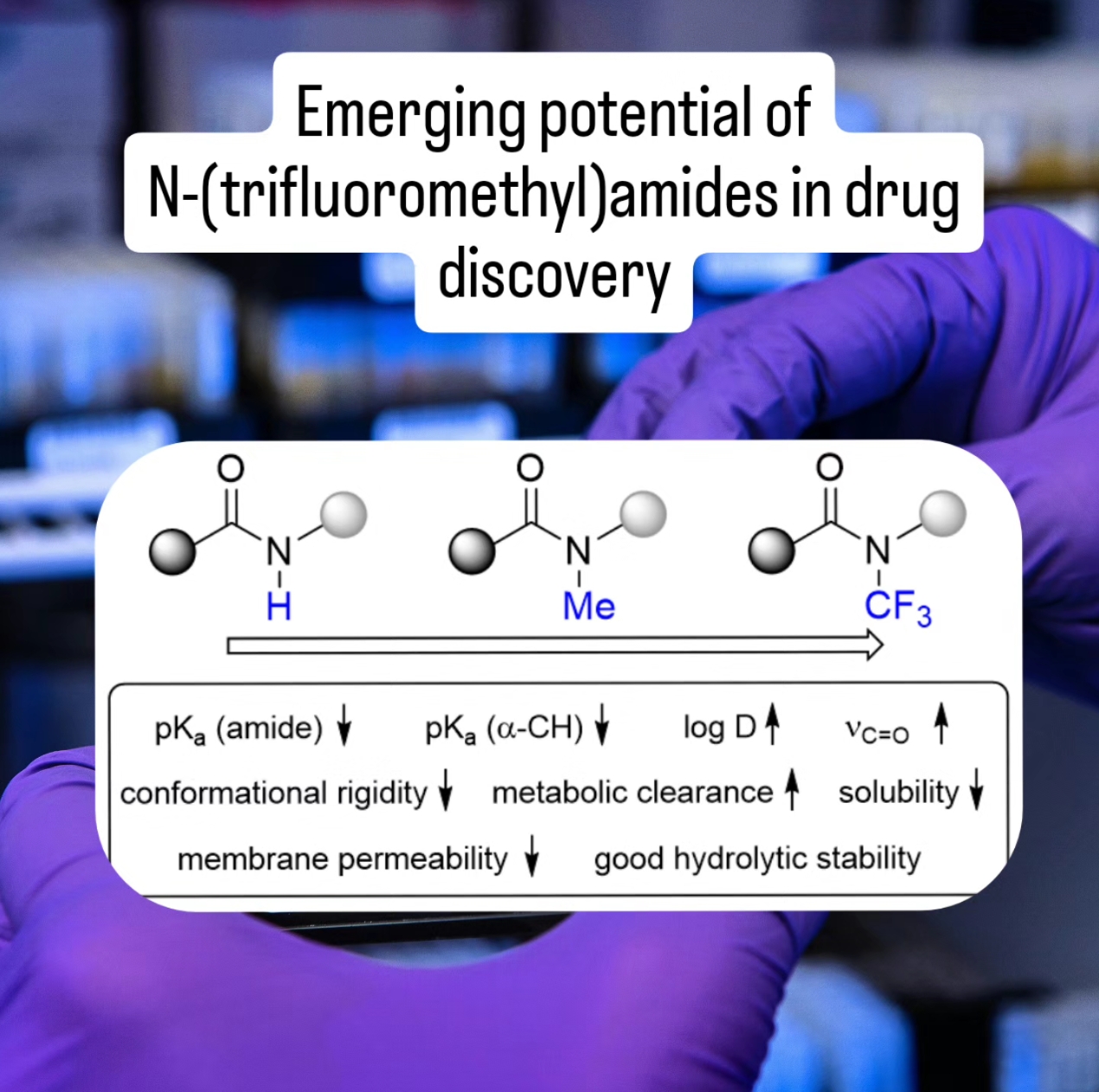
The emerging potential of N-(trifluoromethyl)amides in drug discovery

N-Trifluoromethylated amides are the new kid on the block in drug discovery, with the potential to combine the favourable characteristics of two important functional groups. Amides are present in more than 40% of bioactive molecules, while fluorine features in approximately 23% of pharmaceuticals, reflecting its longstanding success in improving key drug properties such as metabolic stability, potency and selectivity. Despite this promise, N-(trifluoromethyl)amides have been difficult to access and not much has been known about their pharmacokinetic properties until very recently. In a review recently accepted in Chemical Science, we highlight advances in the synthesis of N-(trifluoromethyl)amides and evaluate their physical properties and suitability as drug targets.

Background image by CDC on Usplash.

PGR Research Symposium

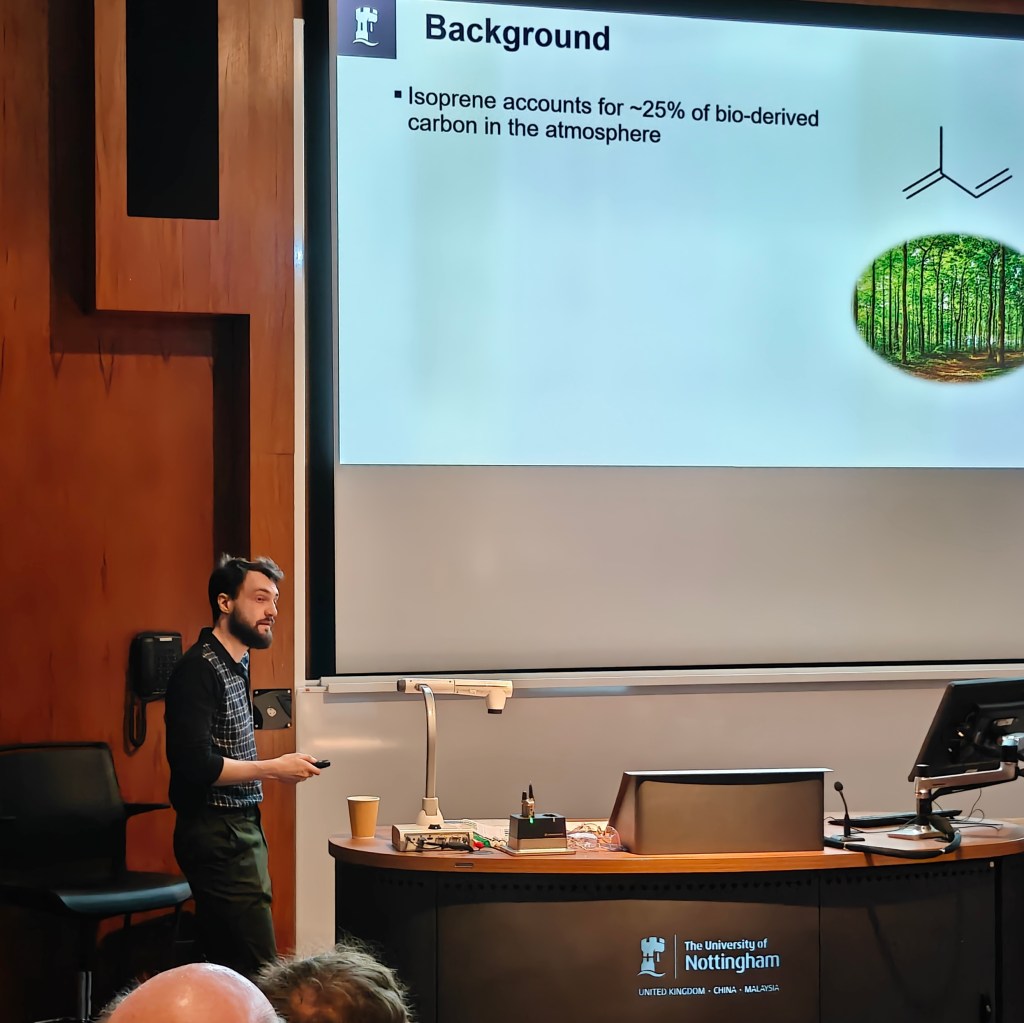
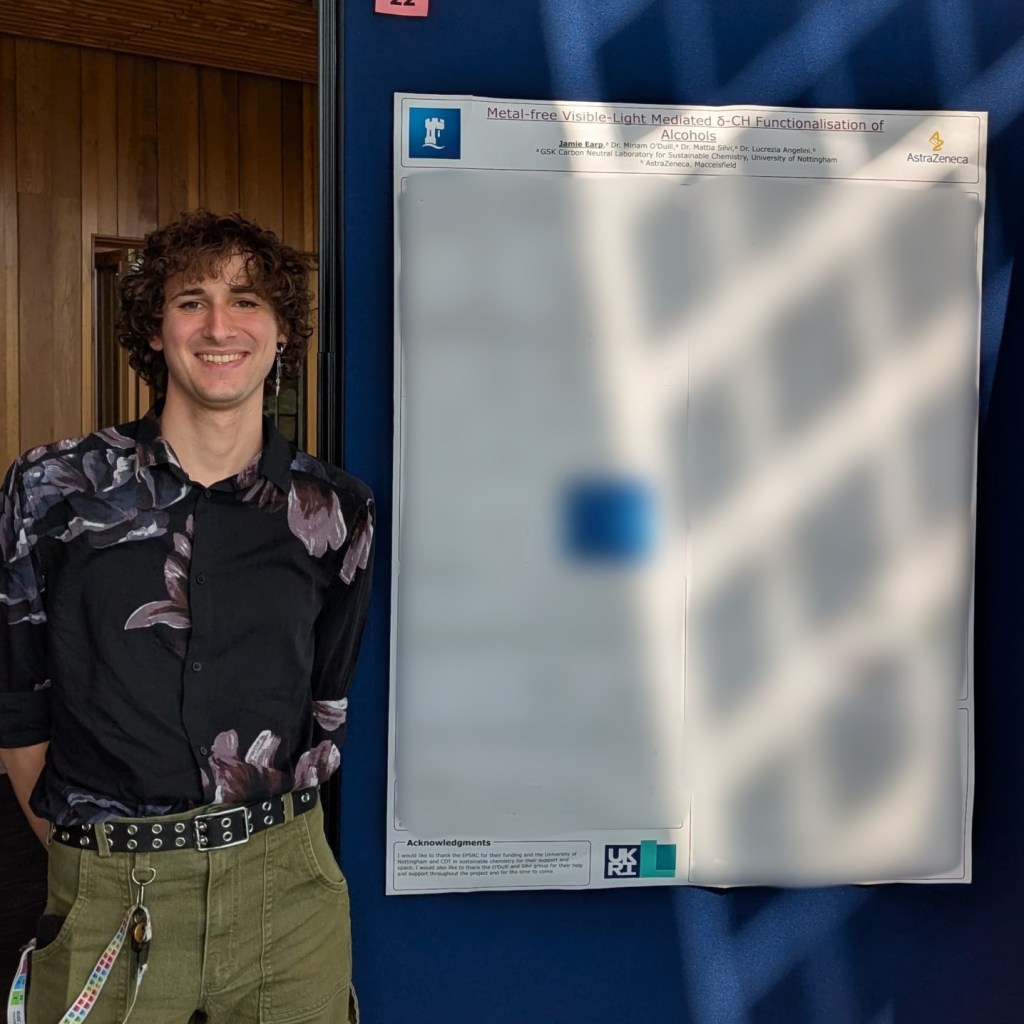
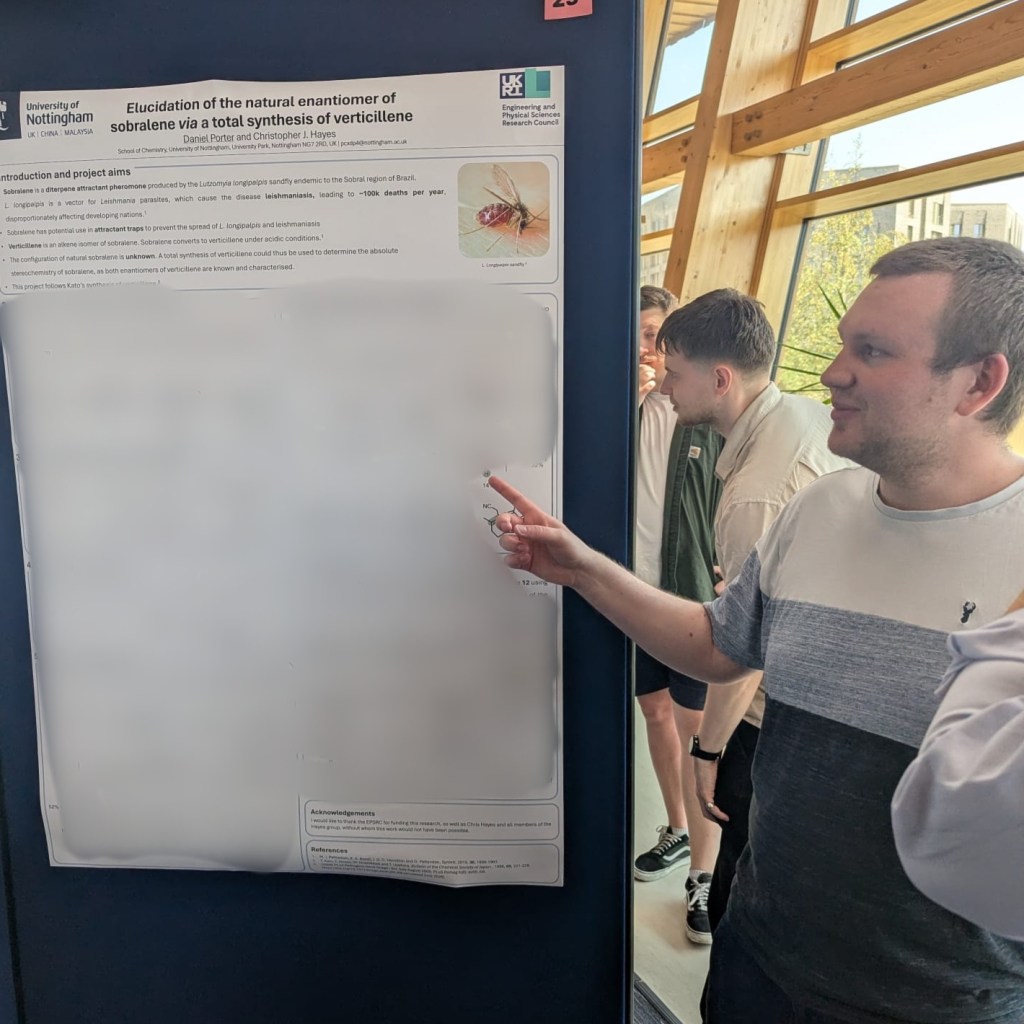
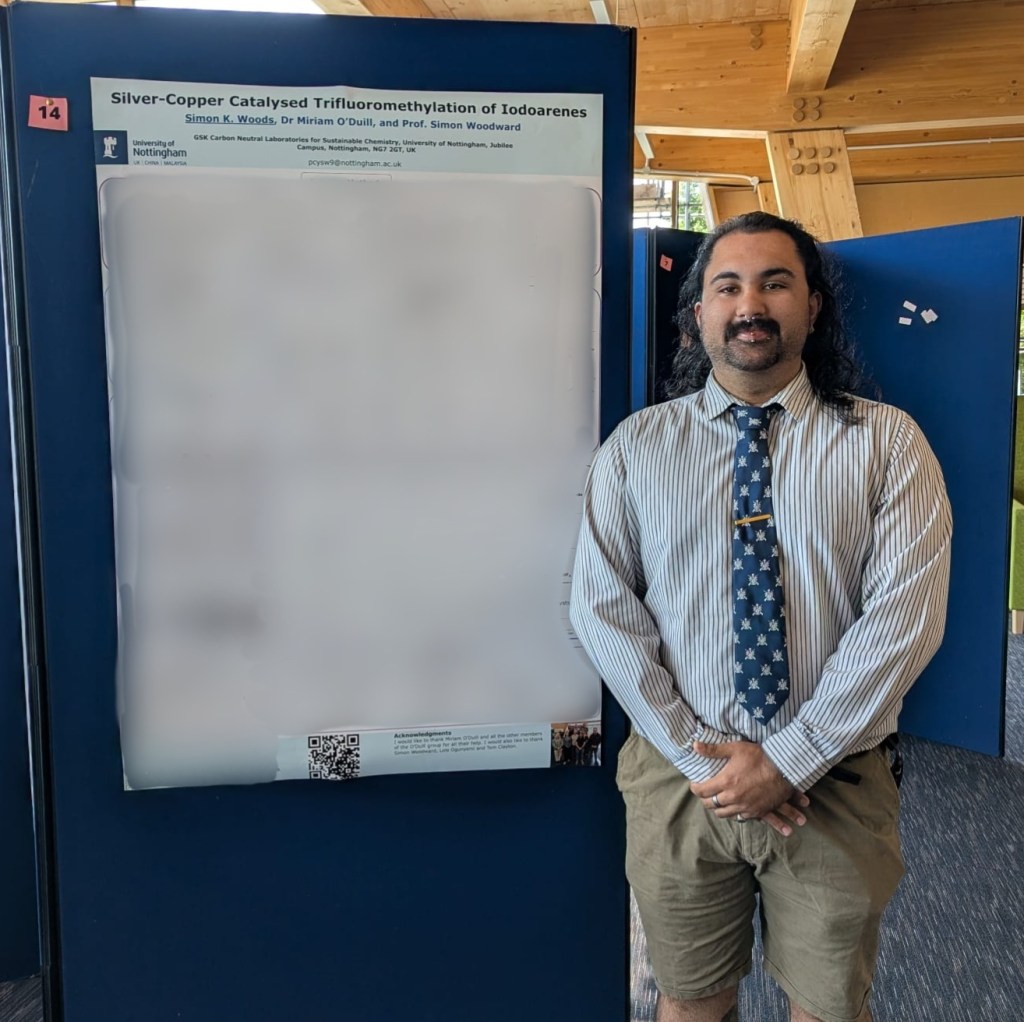
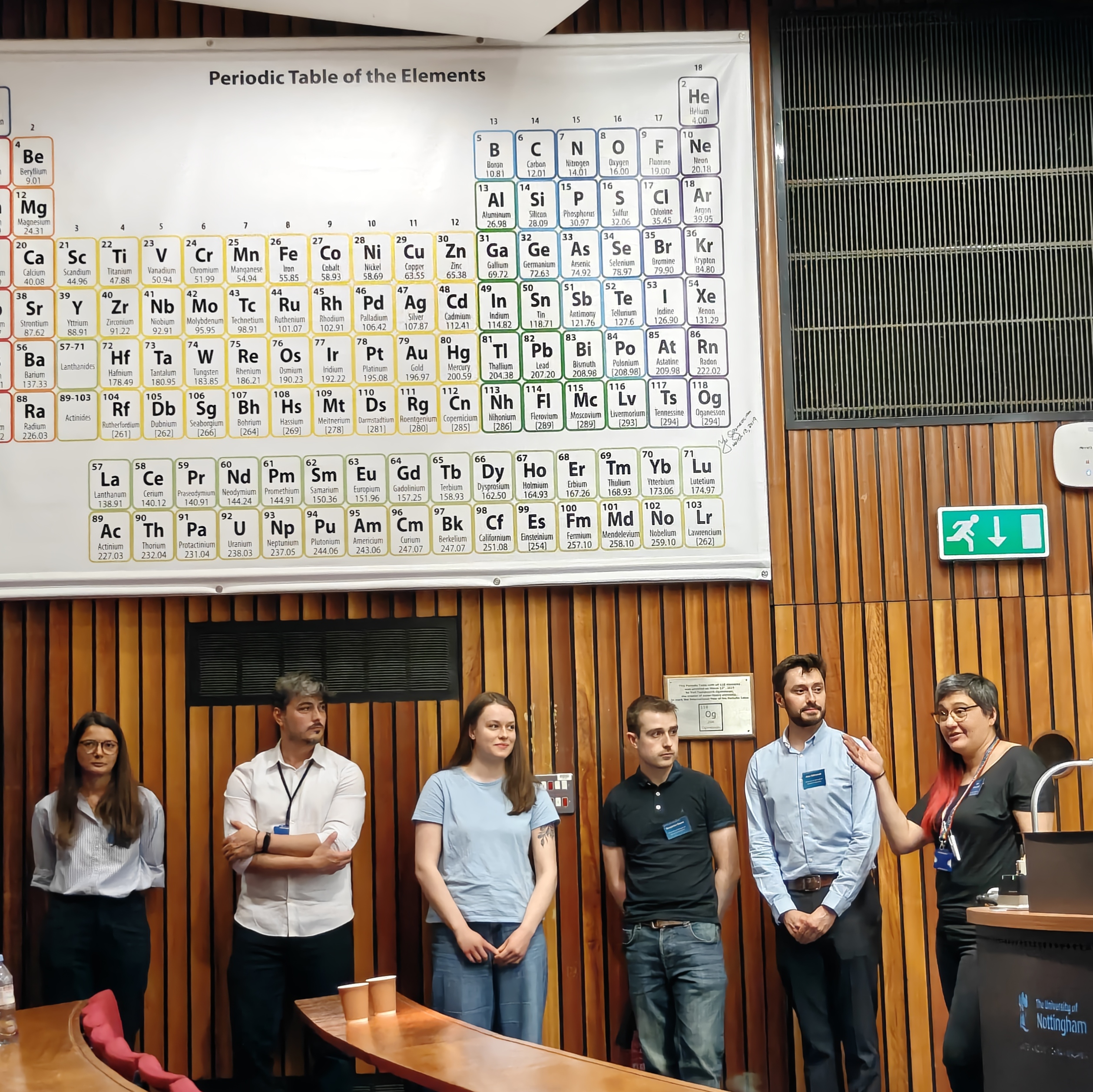
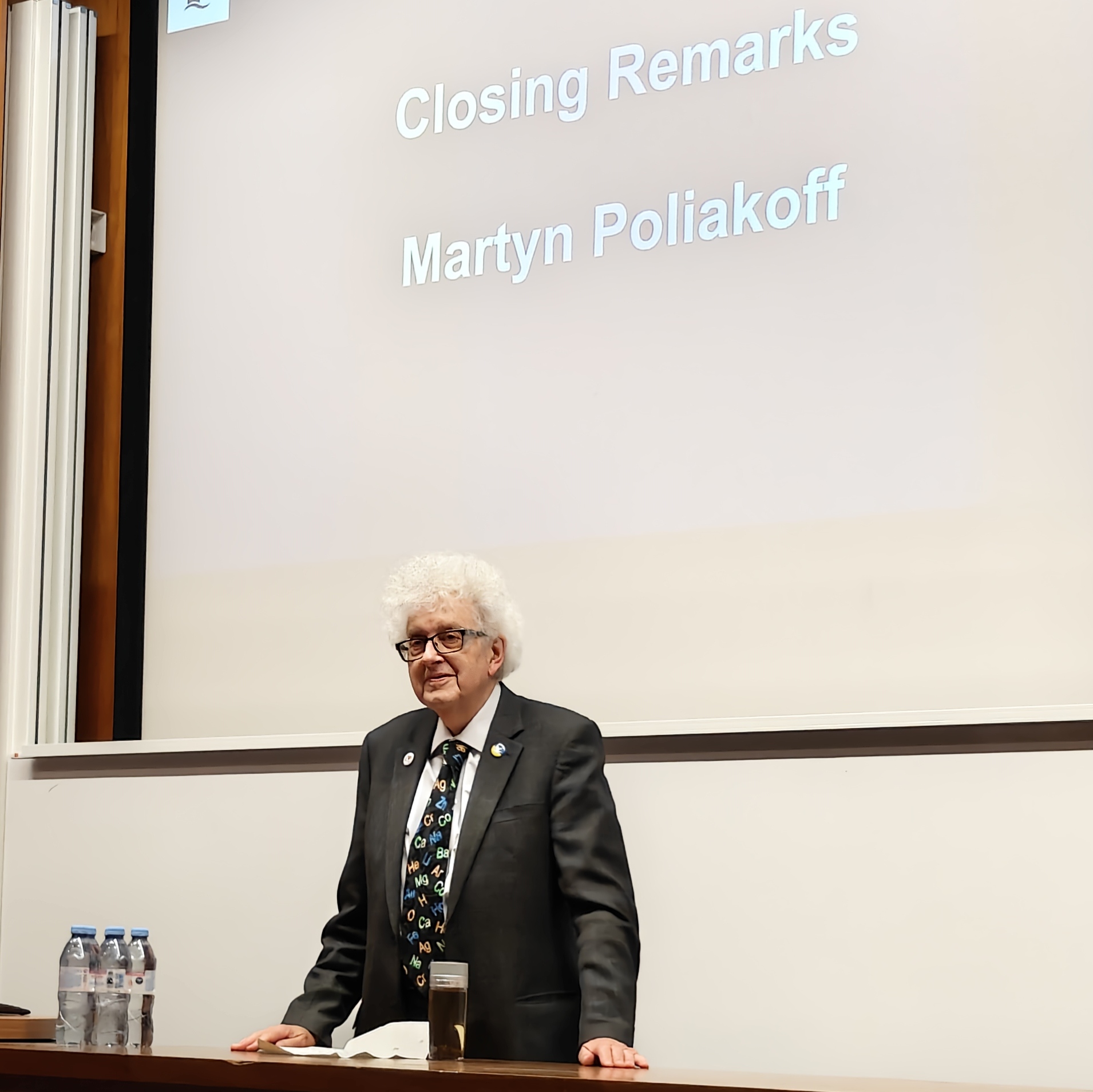
Last week’s PGR Symposium showcased the hard work, dedication and creativity of our PhD and MRes students. It was inspiring to see the whole School come together for three days of research talks, poster presentations and plenty of opportunities to connect over well-earned pizza and beer. Congratulations to Olly, Rory, Jamie, Dan and Simon who presented their research. The event sparked interesting suggestions and even led to the start of a new collaboration. Most importantly, it highlighted the strength of chemistry research at Nottingham and our supportive community spirit.

Thank you to the organisers, Stephen, David and Huw for putting on another great event. We’re already looking forward to next year.

Science communication

This summer, Miriam will be joining the BBC Radio Science Unit for a Media Fellowship. Get in touch in September if you have any cool chemistry/science stories to pitch!
A big thank you to the Association of British Science Writers for the fellowship opportunity, and the University of Nottingham for their support.

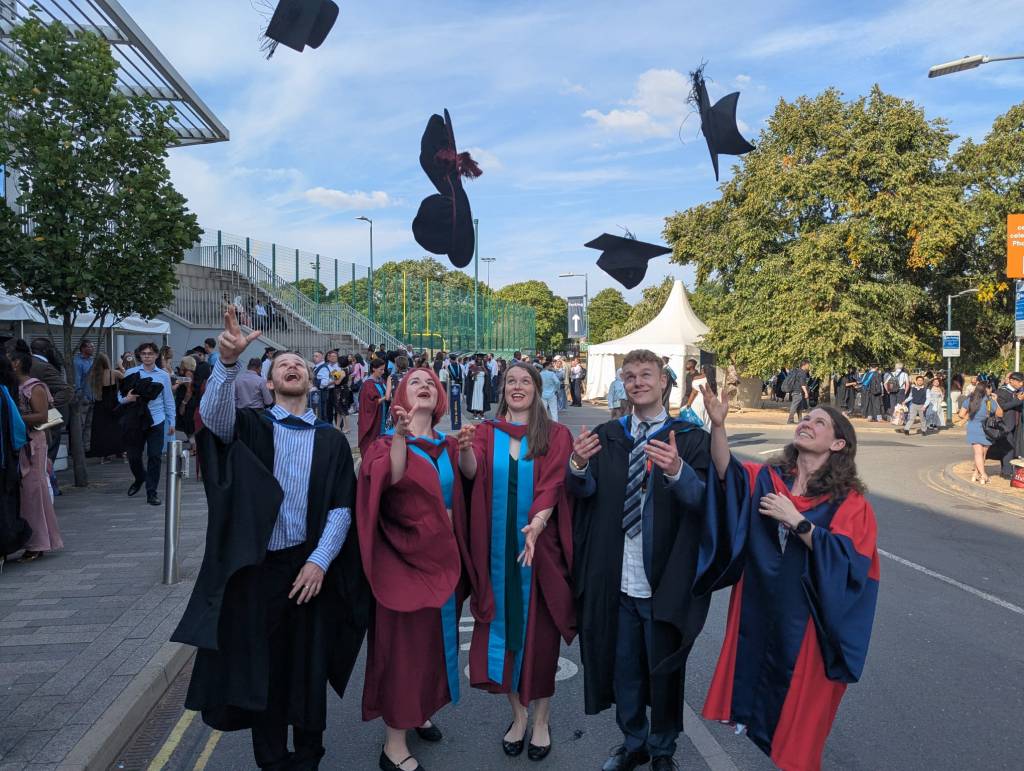
Charlotte defends her PhD

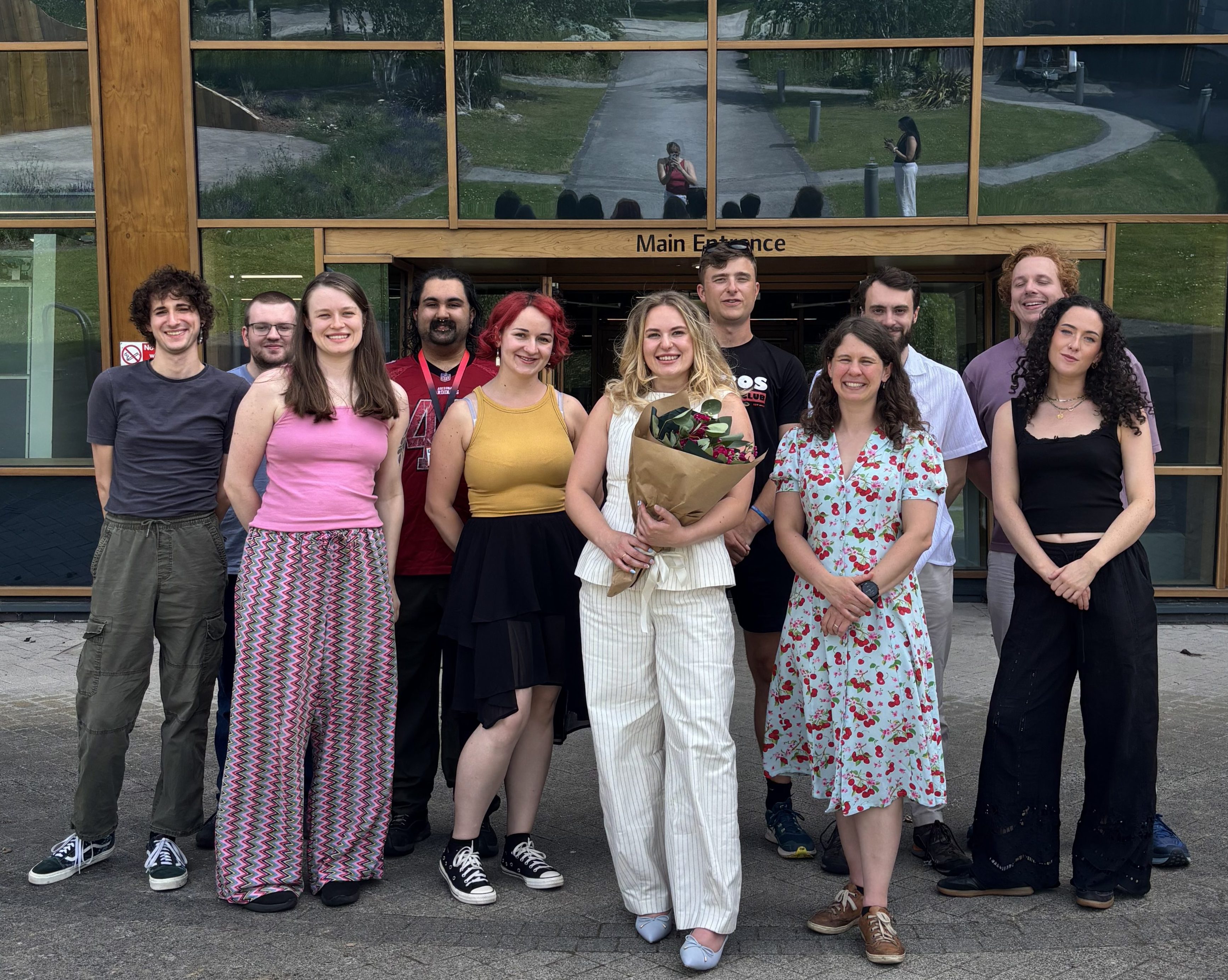
Congratulations on a successful viva, Dr. Charlotte McIvor!

Charlotte made important contributions to our understanding of hypervalent iodine chemistry during her PhD, spearheading the development of new alkylating and fluorialkylating agents. Her organisation and team working skills were also a great help running the lab and made us well-connected to other research groups in the department.

Thank you to Alastair Lennox and Rob Stockman for examining Charlotte’s thesis.

Dan Eley Symposium

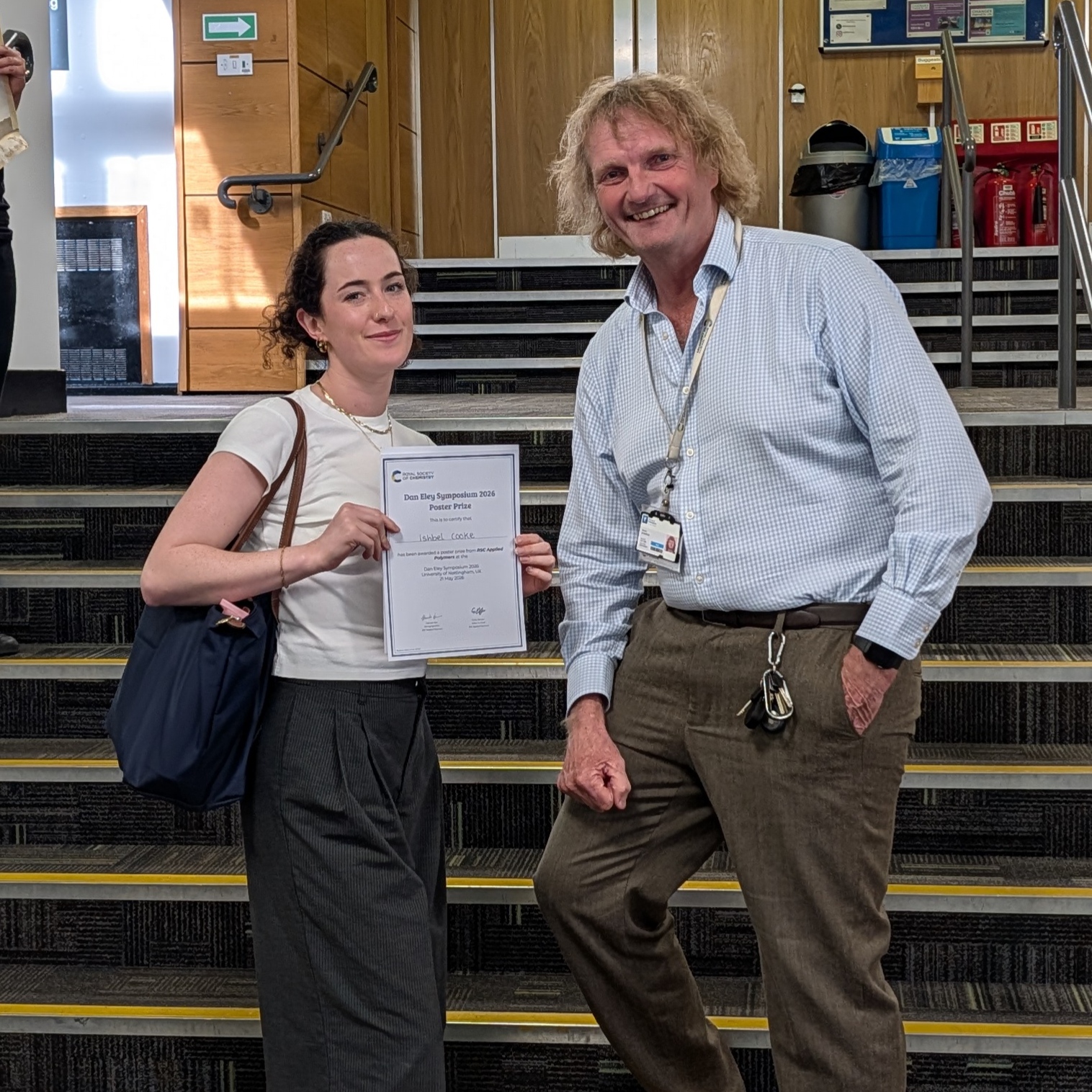
Yesterday’s Dan Eley Symposium was a joyful celebration of the cutting-edge research and supportive community in our school. Thank you to the Postdoc Forum (including our very own Izzy) for organising an excellent event.

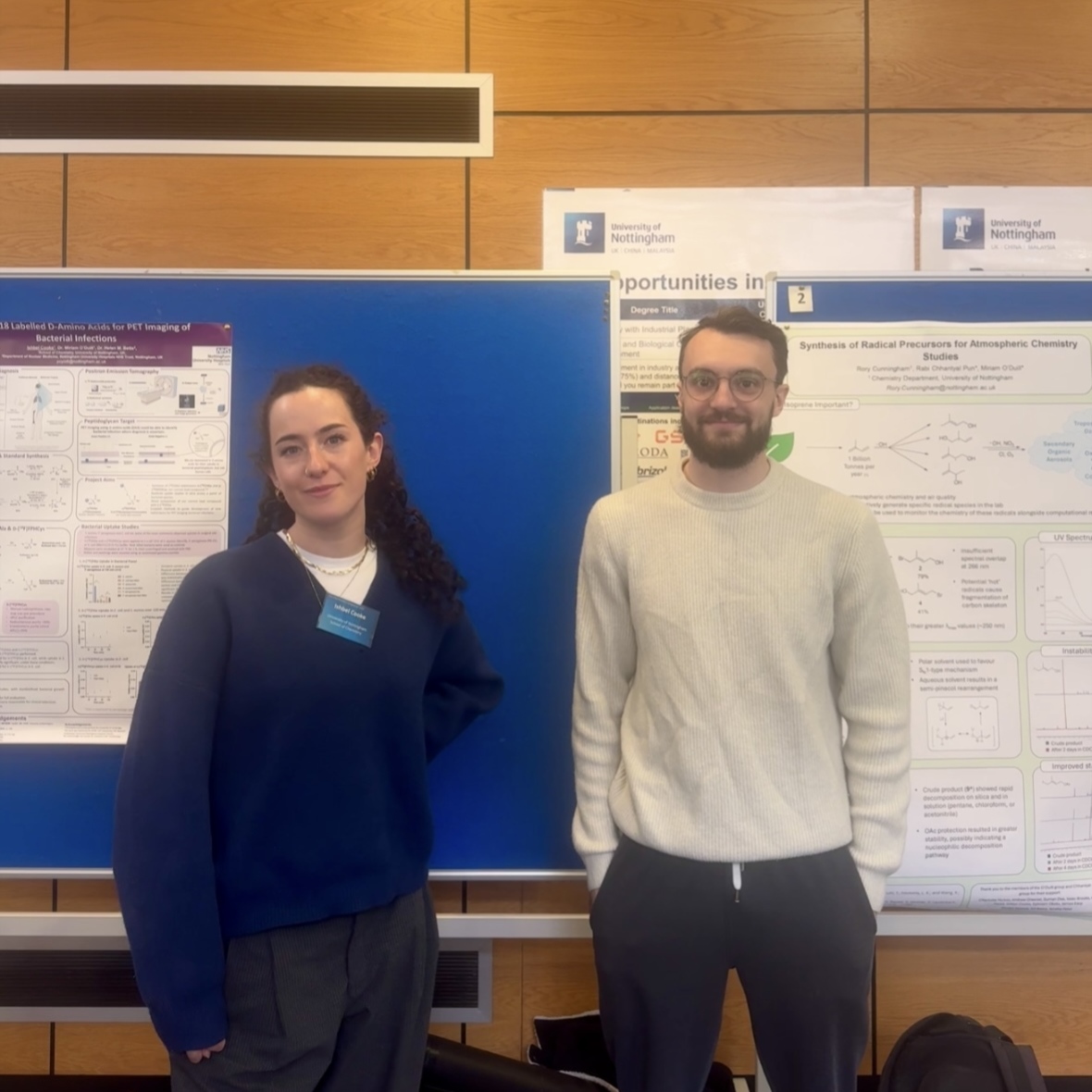
Ishbel and Rory presented posters of their latest research. Congratulations to Ishbel for winning one of the poster prizes!

RSC Midlands Meeting

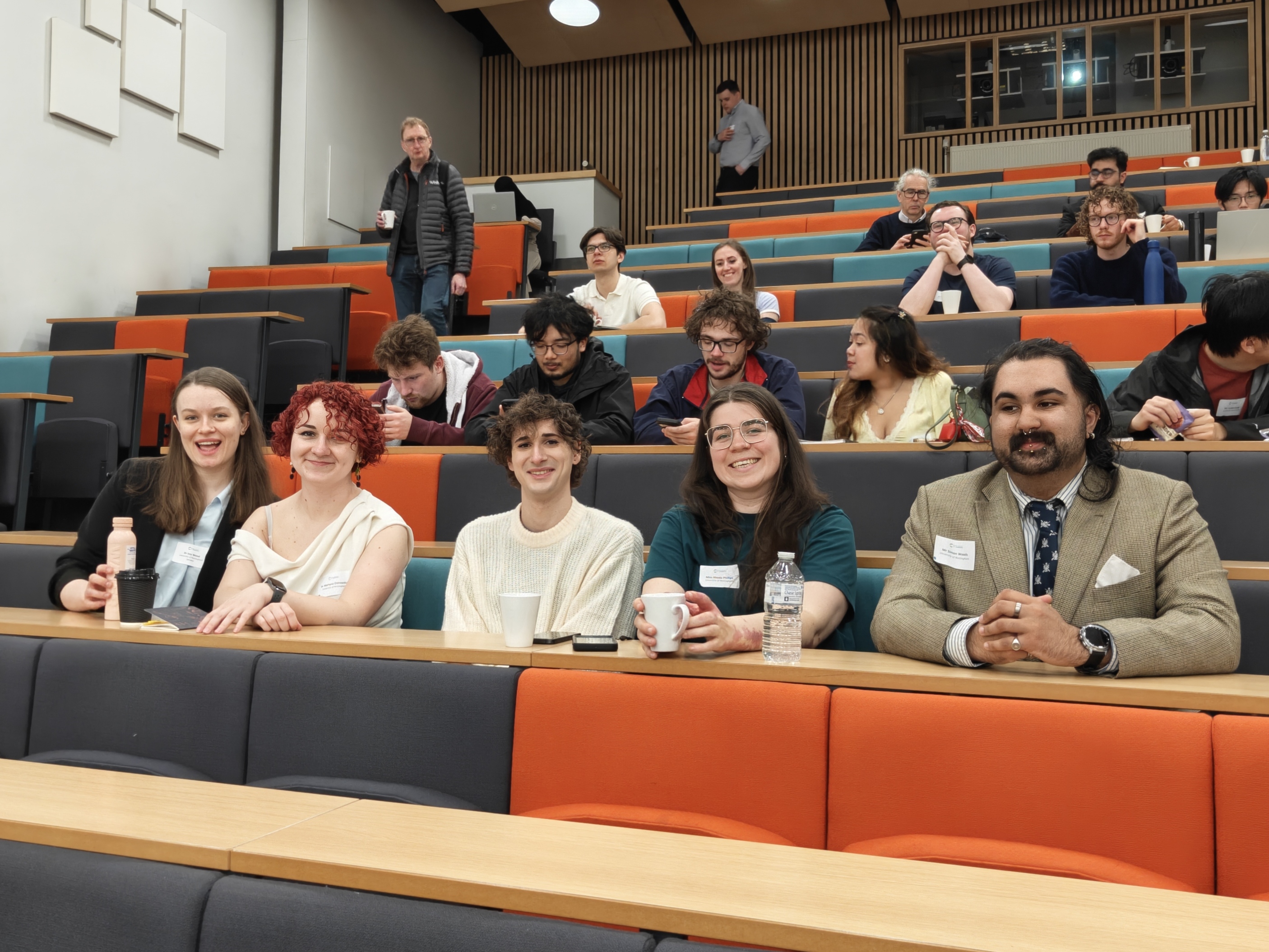
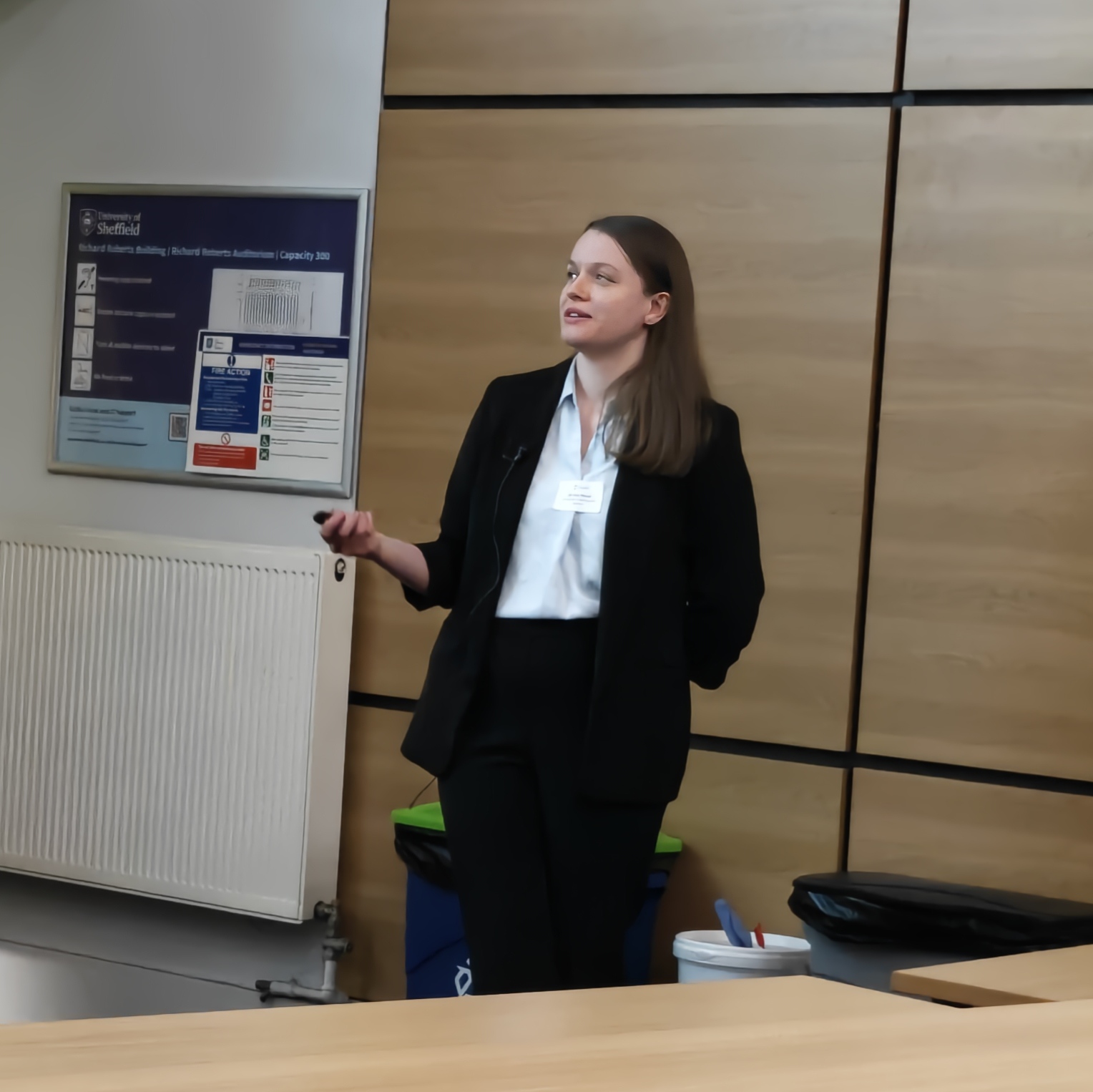
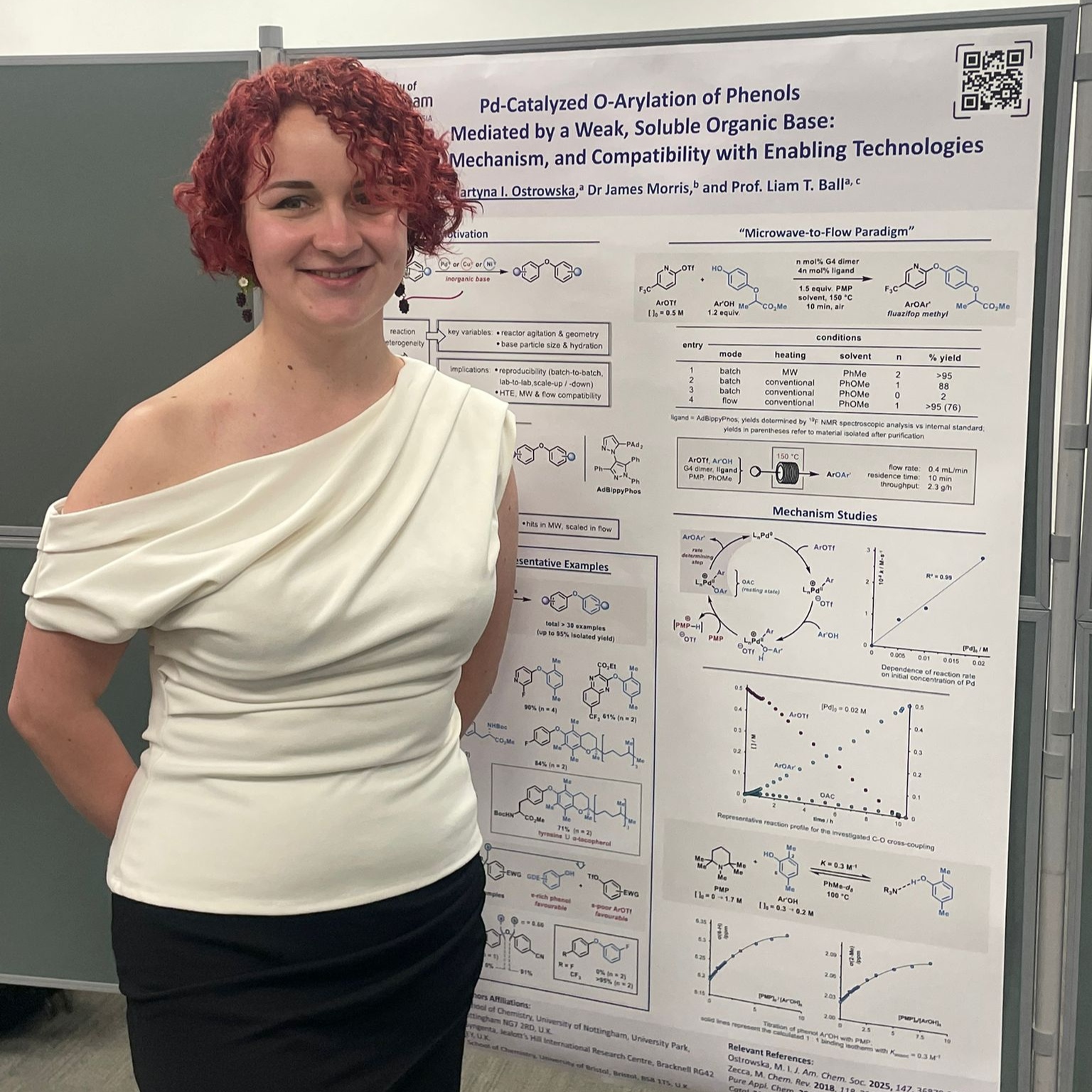
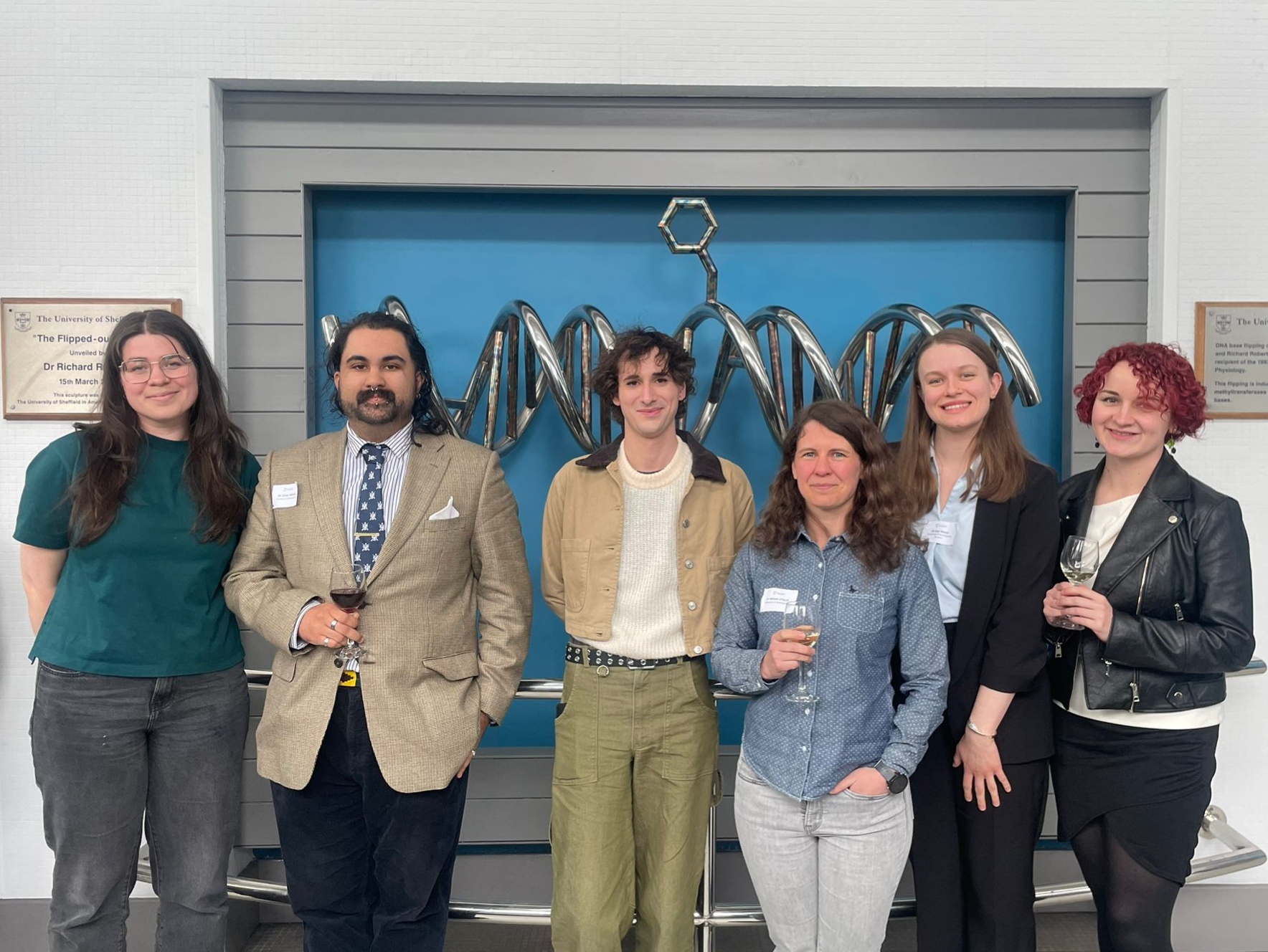
The group attended the RSC Organic Chemistry Midlands Meeting at the University of Sheffield yesterday, where Izzy and Martyna presented their PhD work. This meeting is always a great opportunity to catch up with old friends and make new ones.

Thanks to Ben Partridge and his team for organising a great day!

George defends his PhD

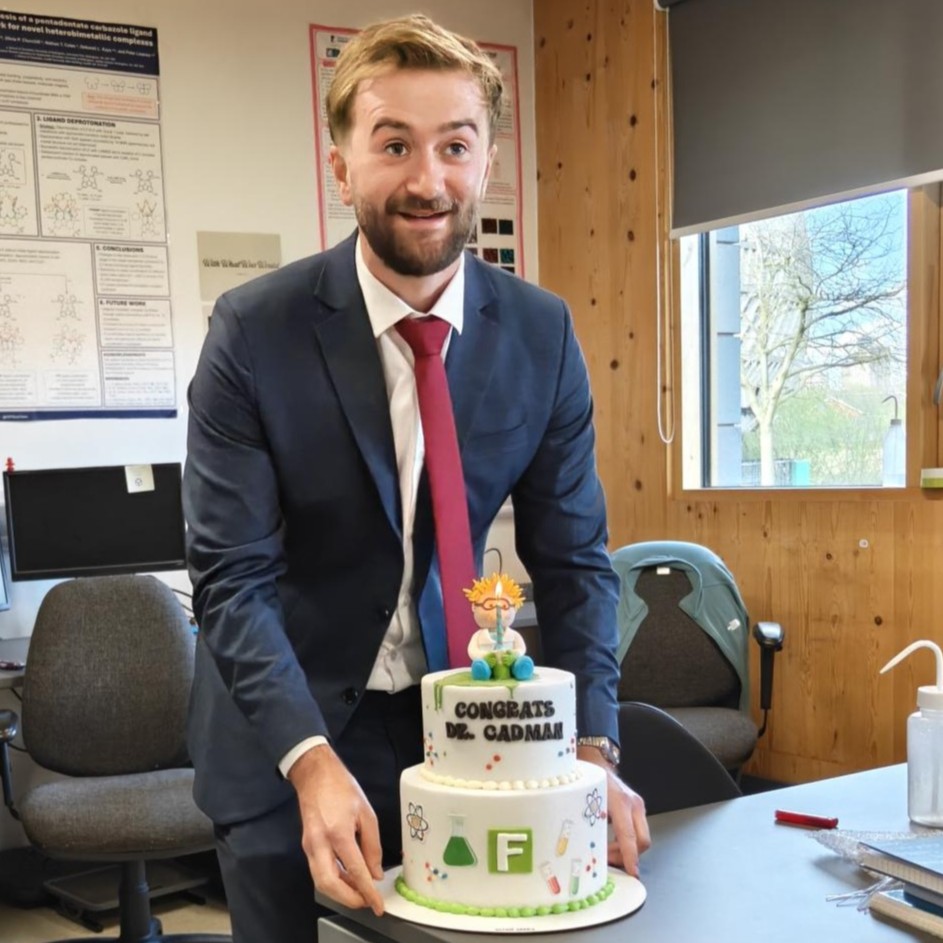
Congratulations on a successful PhD viva, Dr. George Cadman!

George developed C-F activation and fluoride recycling strategies during a truly interdisciplinary EPSRC / Research Ireland CDT project supervised by Debbie Kays, Pete Licence, Andrew Marr and Miriam. He is now applying his sills to exciting new fluorination challenges at FluoRok. All the best in this new adventure, George!

Thank you to Matt Hopkinson and Ross Denton for putting George through his paces in what sounded like an enjoyable viva.

RSC Postdoctoral Symposium

The 3rd Postdoctoral Symposium of the RSC’s Heterocyclic and Synthesis Group (HSG) will be held online at 11:00-16:00 (British Summer Time) on Monday 18th May 2026.

The event will feature seven lectures from postdoctoral researchers, as well as a plenary lecture from Dr Beatrice Collins, University of Bristol (www.collinsresearch.org).

We invite all organic chemistry postdocs interested in giving a talk to submit an abstract at https://www.rsc.org/events/find-an-event/3rd-postdoctoral-symposium-(virtual)-heterocyclic-and-synthesis-group by May 4th.

To support promising early career researchers, two prizes will be awarded for best talks, with the HSG covering registration and reasonable travel costs for the prize-winners to attend the 2026 Gregynog Synthesis Workshop.

Attendance is free and open to all, but registration via the GoToWebinar event page is essential.